
Music Oud school in London
A school dedicated to the oud
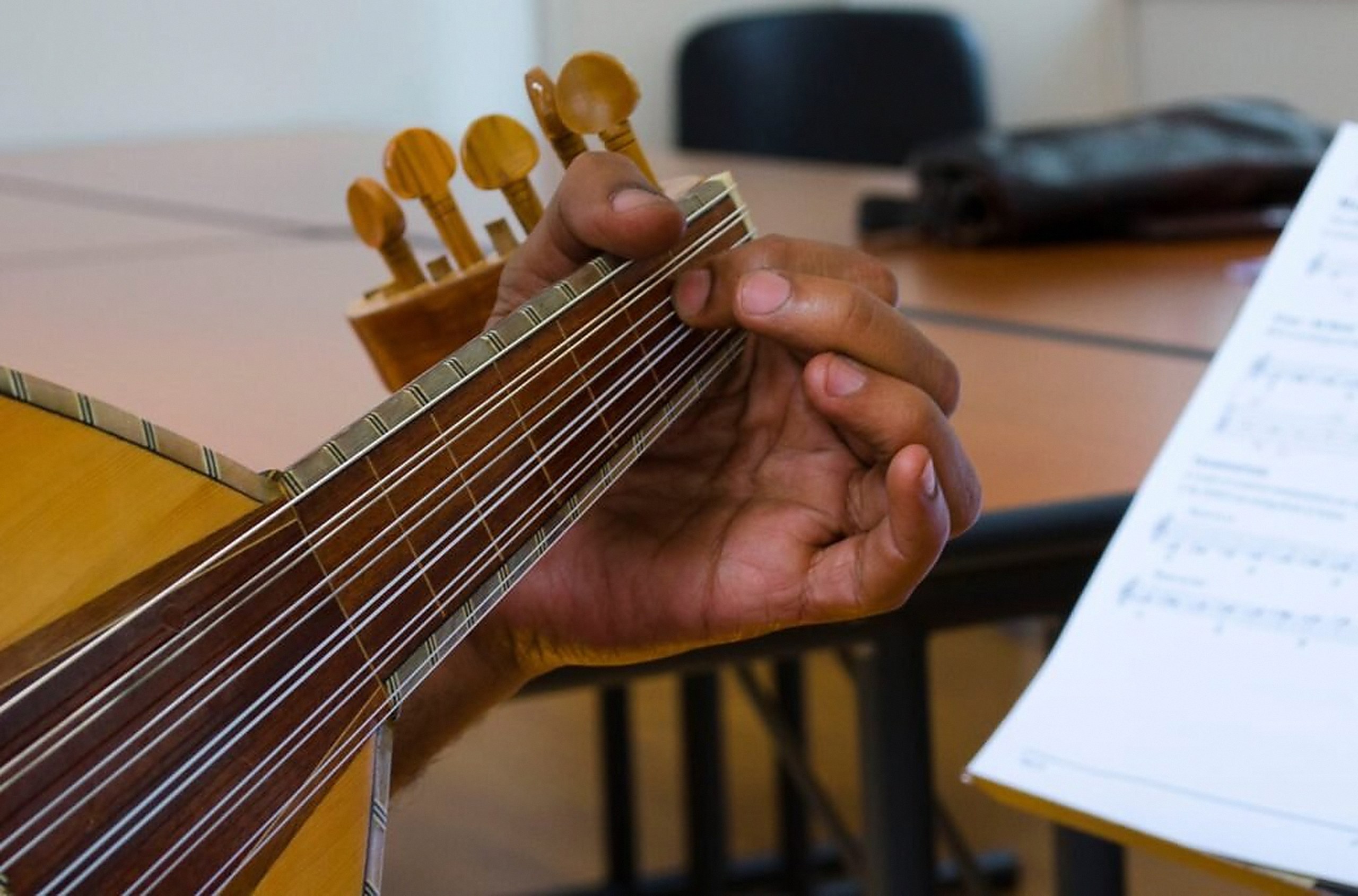
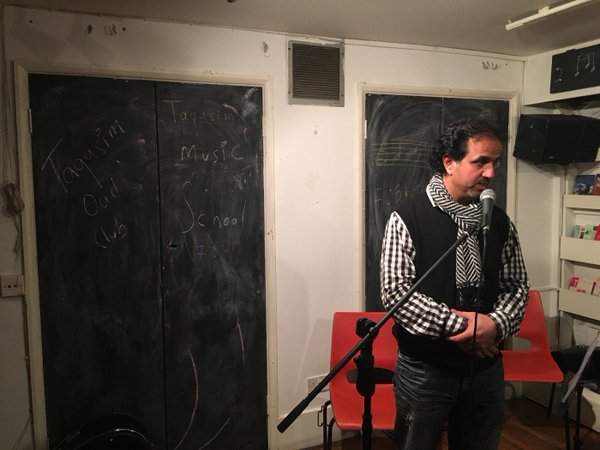
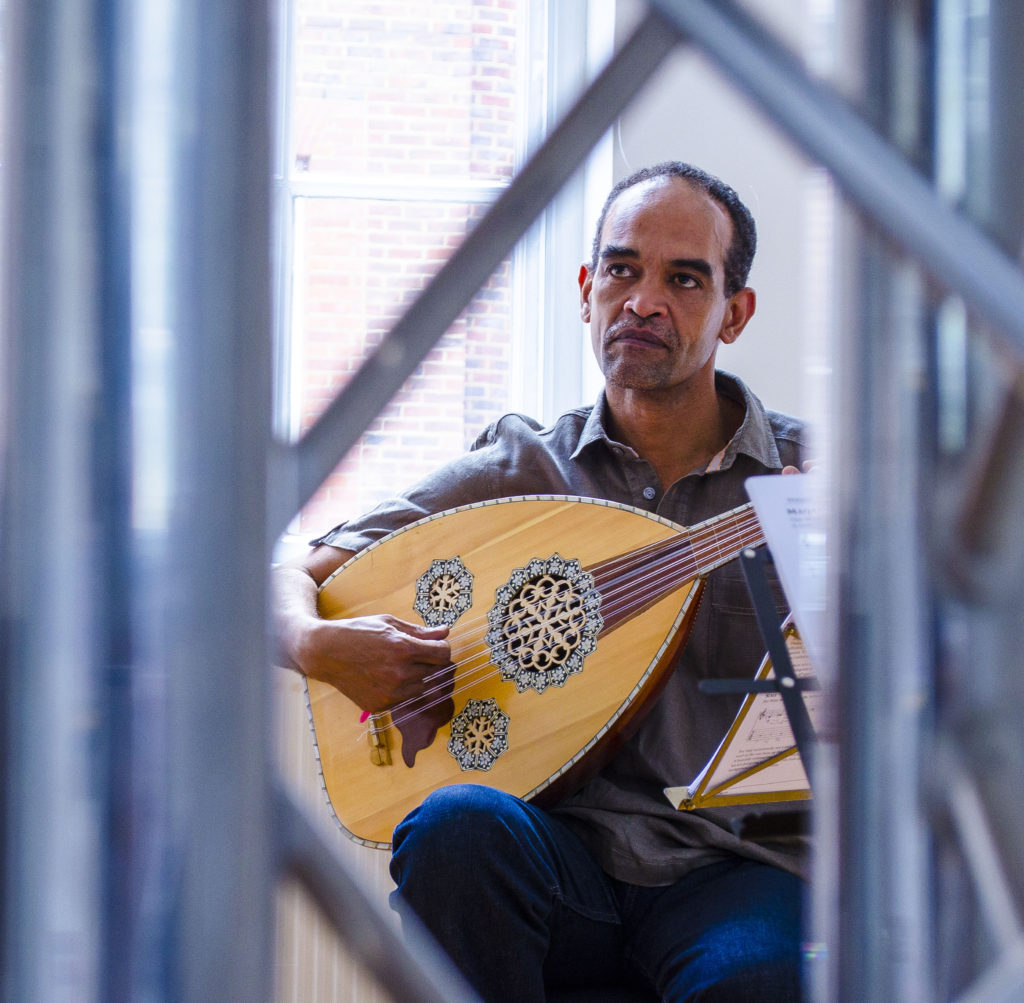
Taqasim School is a small London-based school dedicated to the oud and Arabic music theory, founded in 2011 by Iraqi oud master Ahmed Mukhtar.
-
Founded 2011
London, United Kingdom
-
Five levels
Beginner through advanced
-
In-person and online
Adult evening classes and private lessons

A structured path
The Mukhtar Method
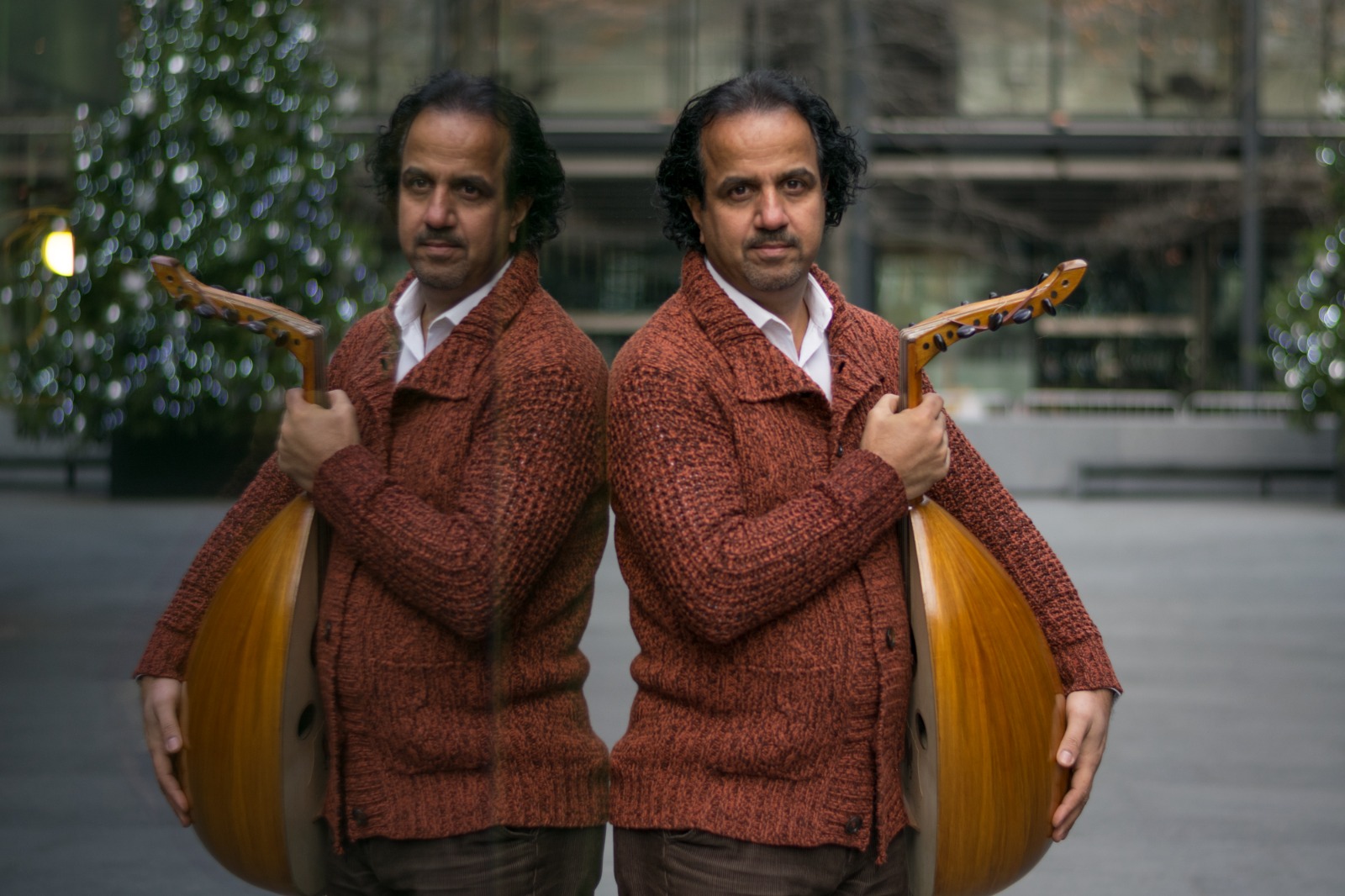
Ahmed Mukhtar — an Iraqi oudist trained in Baghdad and resident in London since the 1990s — founded the school after twenty years of private teaching. The aim was to make the oud teachable in groups, properly, to adult students with no prior background in Arabic music.
Out of that came the Mukhtar Method: a written curriculum that breaks the oud down into a sequence of skills students can actually practise alone, between lessons. It now runs to seven volumes, used by oud teachers and self-learners across Europe, the Middle East and North America.
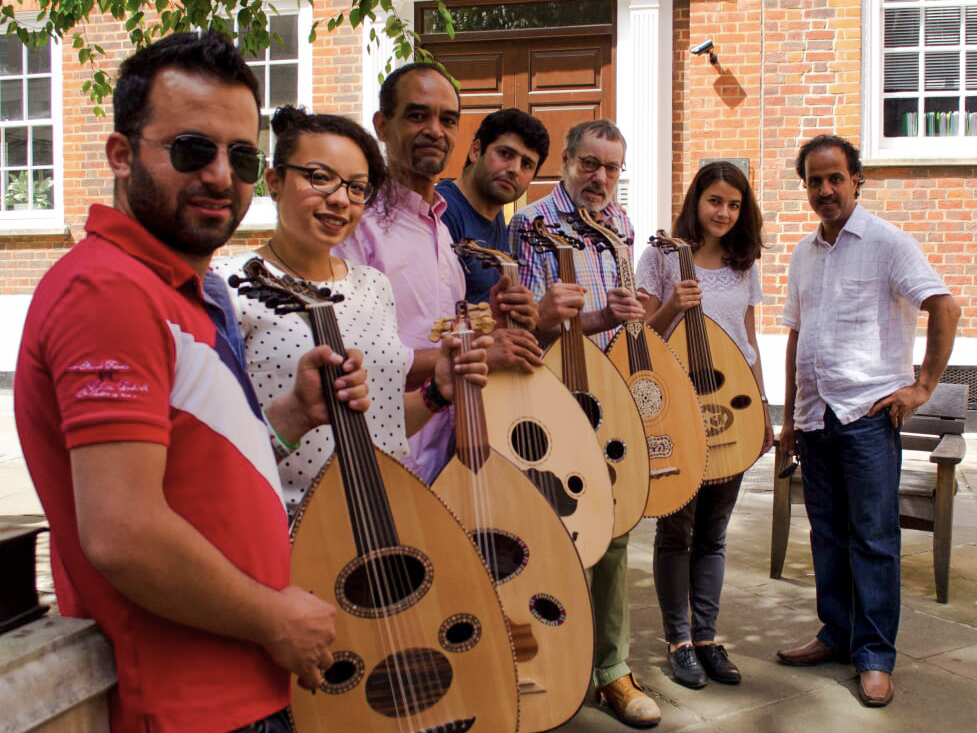
The school is small by choice. Eight to twelve students per group, four levels, a darbuka strand, a maqam theory strand. London students come from the Arab, Iranian, Turkish and diaspora communities, and from Western students with no prior link to the music. We treat them the same: as serious players.
Discover the methodStudent experience
Ahmed is a rare teacher. He corrects without discouragement, and there is no hurry. After a year I can hear the maqamat I once couldn't tell apart, and I am beginning to play them.
Live from the school
What’s happening at Taqasim
Concerts, Oud Club evenings and student showcases with the Taqasim Ensemble.
Recent performances
-
Taqasim Oud Club 2025 — Fusion: Persian, Western, Arabic Music
St John's Hoxton, London N1 6NP
-
Arab Western Fusion with the Taqasim Ensemble
St John's Hoxton, London N1 6NP
Study with us
Find your course
Ten-week terms in central London and online — taught by working musicians in small groups.